01
The documents stay on their phone.
The fields come out of the photo and the frame is discarded on the spot. Custody stays where it was.
REGISTRATION, CHECK-IN AND CODE, ON THE GUEST'S PHONE
An AI layer carries the arrival from end to end: the traveller register completes itself from one photo of their document, they pick the extras they want and they receive their room code. They arrive and go straight up. Your booking system and your locks stay exactly as they are.
REGISTRATION, CHECK-IN AND CODE, ON THE GUEST'S PHONE
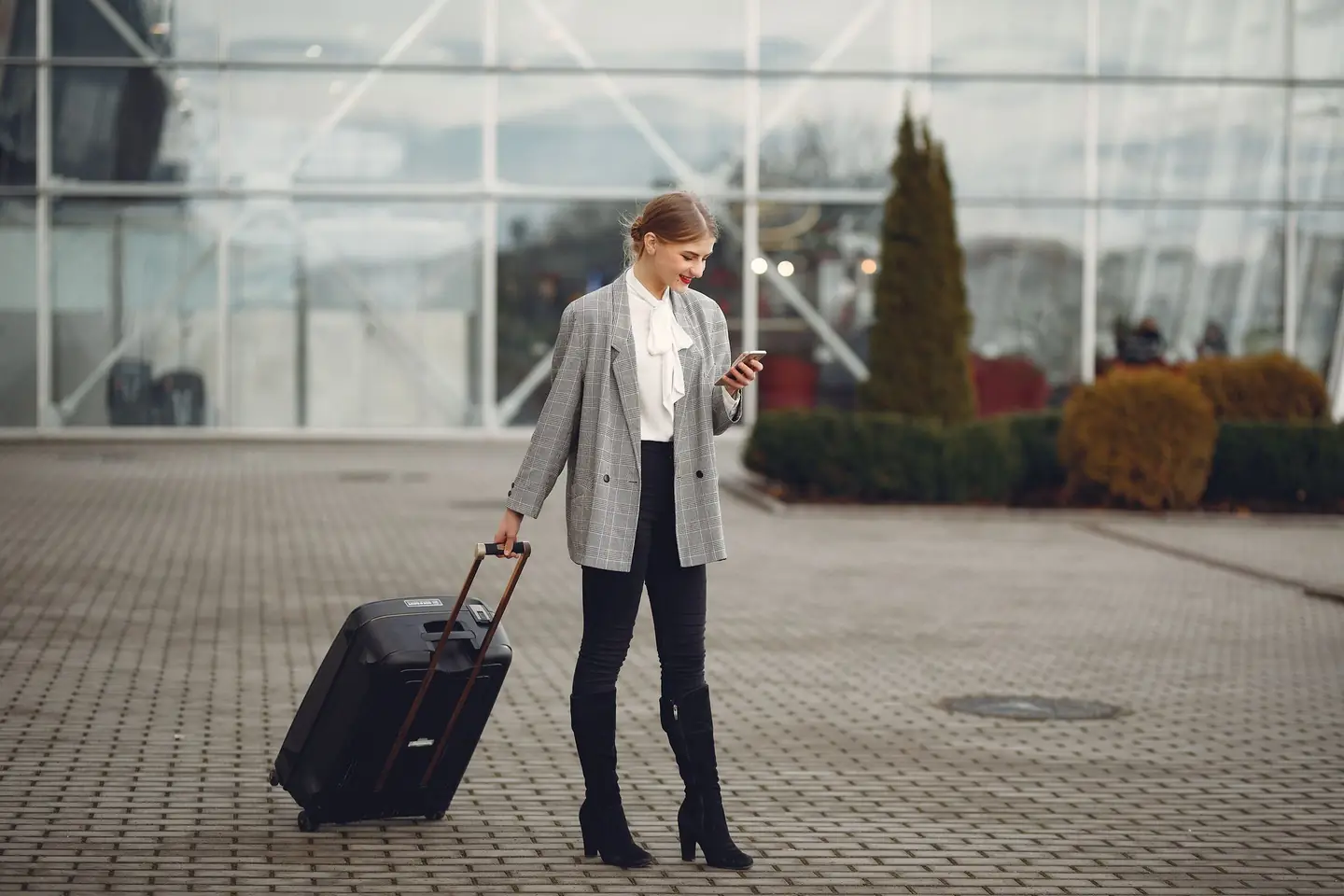
An out-of-hours arrival takes up one person, or gets sorted over the phone, badly.
The guest register is uploaded by hand, every day, and when things get busy it goes up late.
Extras are sold at the desk if someone is there and if they remember.
01—04
A few days before arriving, on their phone. It opens in the browser, in seven languages.
Nine register fields fill themselves in. The fields come out of the photo, and the frame is discarded.
Companions, parking, breakfast, late checkout. All before arriving.
When you assign them a room. The code is typed into the lock.
How we check it
The guest register is not paperwork we leave for later: it is the centre of the product. We collect the data required by Royal Decree 933/2021, check that it is well formed according to the type of document —a DNI, a NIE and a passport do not carry the same data— and leave the submission ready.
It is the part that costs time every day. And one mistyped field stays three years in a register the law requires you to keep.
Today it is finished for the Spanish register —with the document's check digits, the support number and both surnames— and it is built to add a country the way we add a booking system: a table of document types and whatever format each administration asks for.
And it is invisible when you sell: your guest only sees that it took two minutes.
A DNI, a NIE and a passport ask for different data. We check each one against what the law requires for that document.
The seven dictionaries are complete, and an automated test keeps them that way.
We say a key is revoked when the lock confirms it. And if it does not confirm, we tell you that code may still open. We prefer an uncomfortable screen to a door you believe is closed.
The code is generated by your lock's manufacturer, under your licence. And reception sees what the lock has confirmed.
The fields come out of the photo and the frame is discarded on the spot. Custody stays where it was.
Your hotel charges, with its own bank, and your hotel invoices. The money goes straight from your guest to you.
The lock licence stays yours and the code is generated by its manufacturer. If we fail, your reception opens doors as always.
We write to it, and it stays yours. The day you leave us, your hotel stays as it was.
It works the same in a forty-room hotel as in a chain of fifteen. Where it shows most is here:
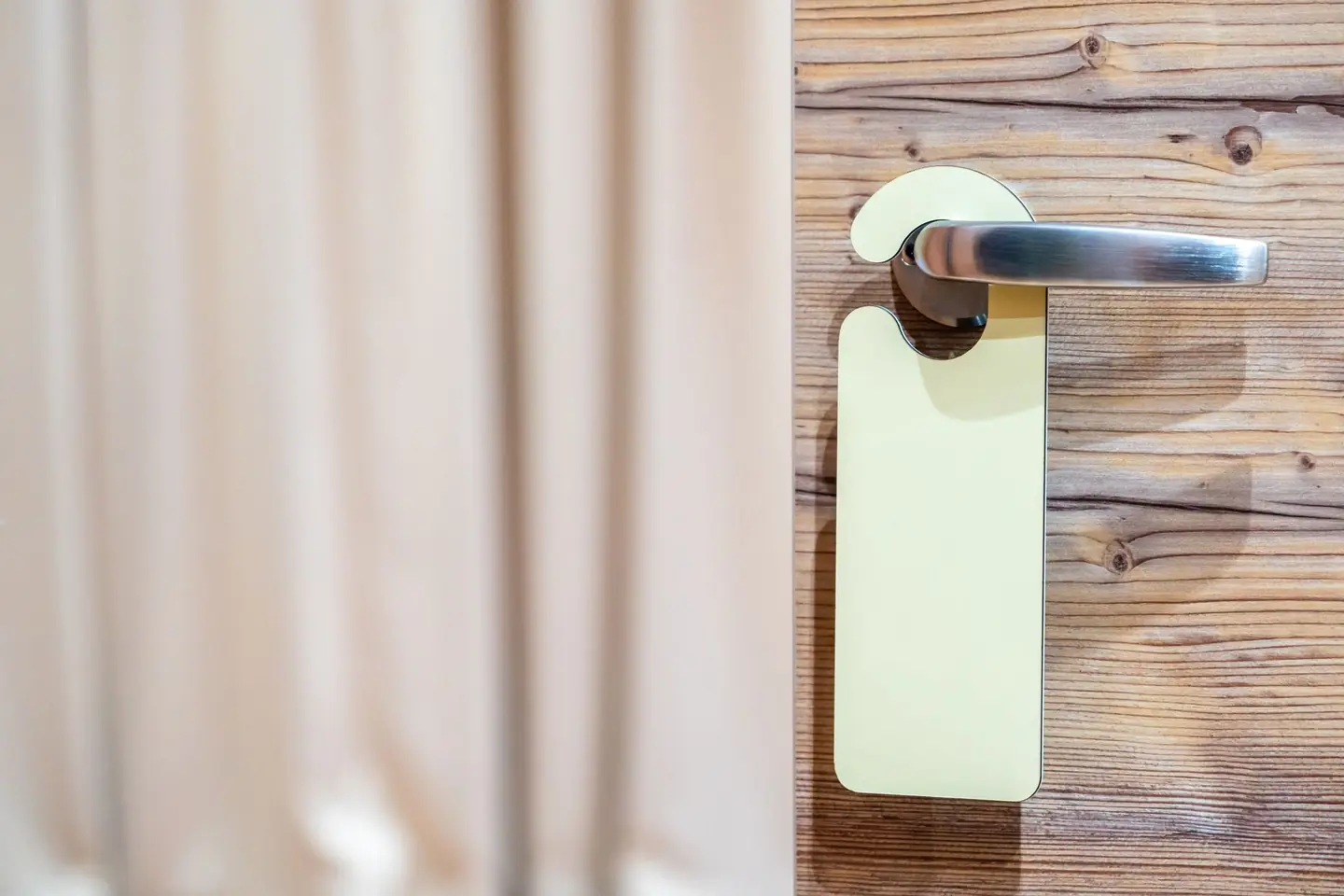
The guest comes in at their hour, not yours. And with no night shift to open a door.
It is the part that costs time every day and the one nobody wants to do. It is left ready without anyone typing it.
The same arrival process in all of them, and each one with its own look.
The desk still exists. It stops being a queue.
Groups
It is built multi-property from day one: each property has its own space, with its data and its permissions separated from the rest.
And each one looks like itself: its logo, its name, its colours. Your guest sees your hotel, not us.
The level of support is agreed in the proposal —on-call included, if you need it—. It is a line in the budget, not a list of what we do not do.
How many properties?
Everything else works the same: the arrival with no desk, the extras, the key and your hotel's own look.
What changes is the register, because each administration asks for its own. It gets added, and we know exactly what it takes to add it.
Tell us where you are in the form and we will tell you in the first conversation what is missing and when. Go to the form

Vesia is built by FREEDOLIA, from Barcelona. We focus on solving one small, concrete thing very well: that arriving at a hotel is finished and legally complete without anyone going through the desk.
We are never in the critical path of opening a door: if we fail, your reception opens as always.
This is not a waiting list or a free trial. They are three implementations —three hotels, or the first three properties of a group— with close accompaniment and a per-room fee from day one. We tell you exactly what it costs in your case in the first conversation.
What you gain by being among the first is direct access to the person who builds it and a say in what gets made before anyone else. Not a discount.
No. We write to the one you already have.
They go through reception as always. This does not replace your desk: it removes the queue.
No. The photo is processed and discarded at that same moment. What remains are the register fields, which are the ones the law obliges you to have anyway.
No, and we do not promise it. The guest receives a code and types it into the lock. The code is generated by your lock manufacturer, not by us.
Your reception opens as always: we are never in the critical path of opening a door. The lock validates the code itself, so it makes no call to open. And the level of support is agreed in the contract: if you need on-call cover, it goes in.
Implementation plus a per-room fee, from day one. The number depends on how many rooms you have and which locks you use, and we prefer to tell you properly in twenty minutes than to put a figure here that does not fit your hotel. What we do not do is give it away: a product installed for free is abandoned for free.